What about China
DisCombobulated Diaries: The China Paradox
Welcome to the DisCombobulated Diaries. This is a brand-new series, where I give honest takes from the ‘messy middle’ of trying to do life and business with purpose.
The world is changing, and we need to change with it, but it feels far more comfortable to stick with what we know and what we’ve always done. It’s this cognitive dissonance I experience every single day that leaves me feeling discombobulated – and I know I’m not alone.
I’ve just got back from China, and frankly, there’s no better way to kick off this diary series than with the “What about China?” question.
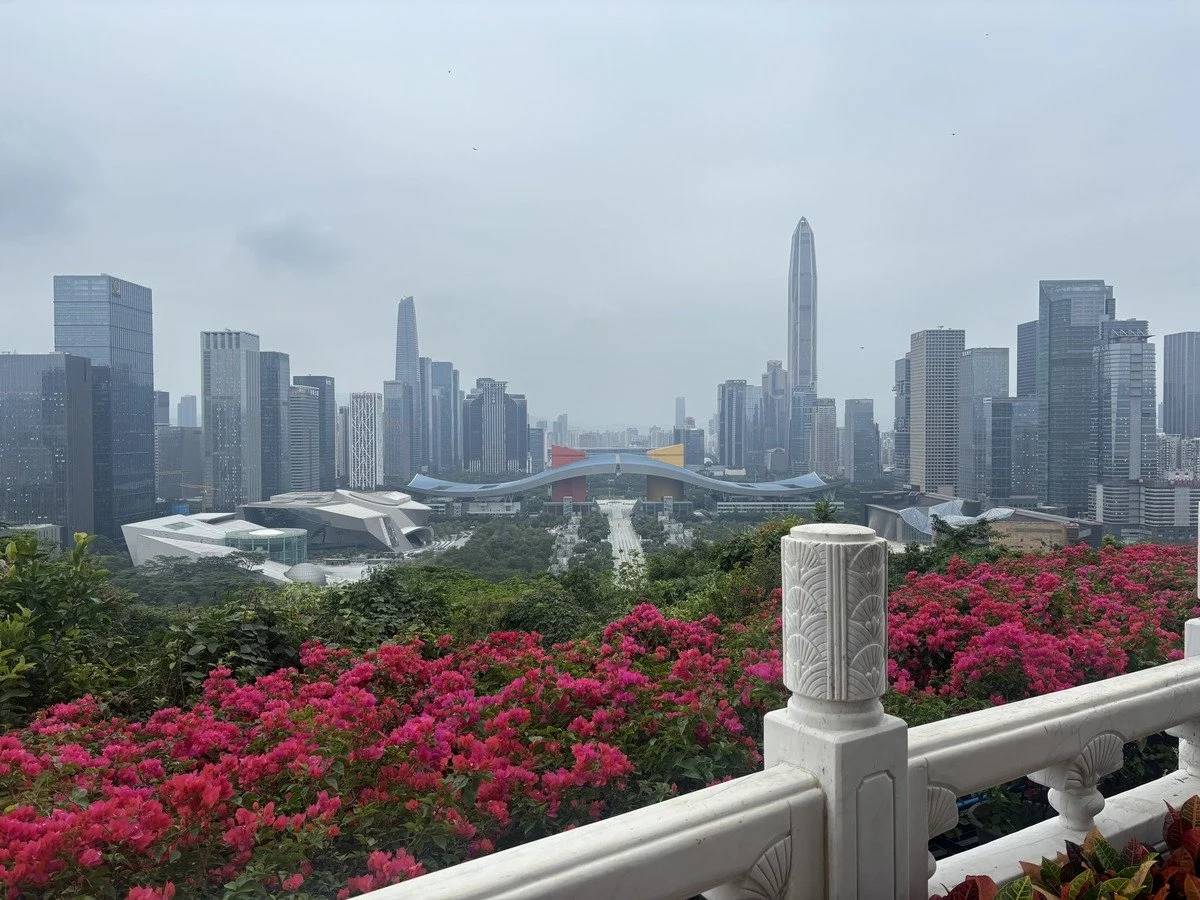
Schenzen View from Lotus Park
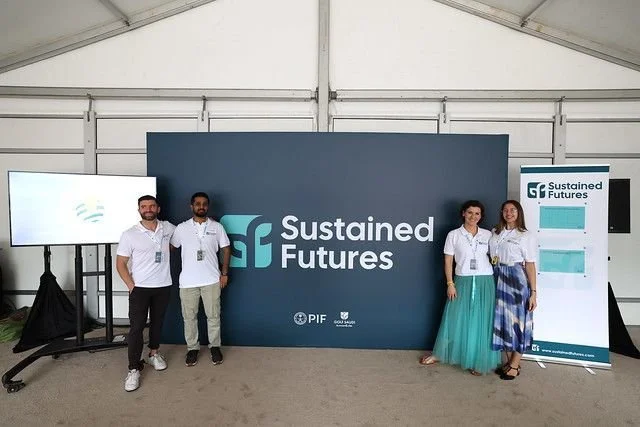
First some context - I was asked by a leading green skills training company, Sustained Futures, to host and deliver some sustainability workshops at the Ladies European Tour (LET) golfing event in Shenzhen. Through this, I was able to empower 130 women with green skills they can now apply to their work and communities – a big tick for sustainability and a complete privilege for me.
But clearly, I didn’t cycle to Shenzhen. I flew - and loved it (even thought I flew with an airline I’d never heard of)!! That’s just the start of my discombobulation.
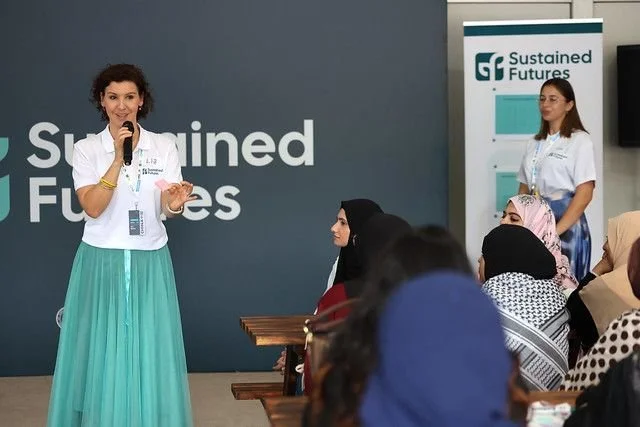
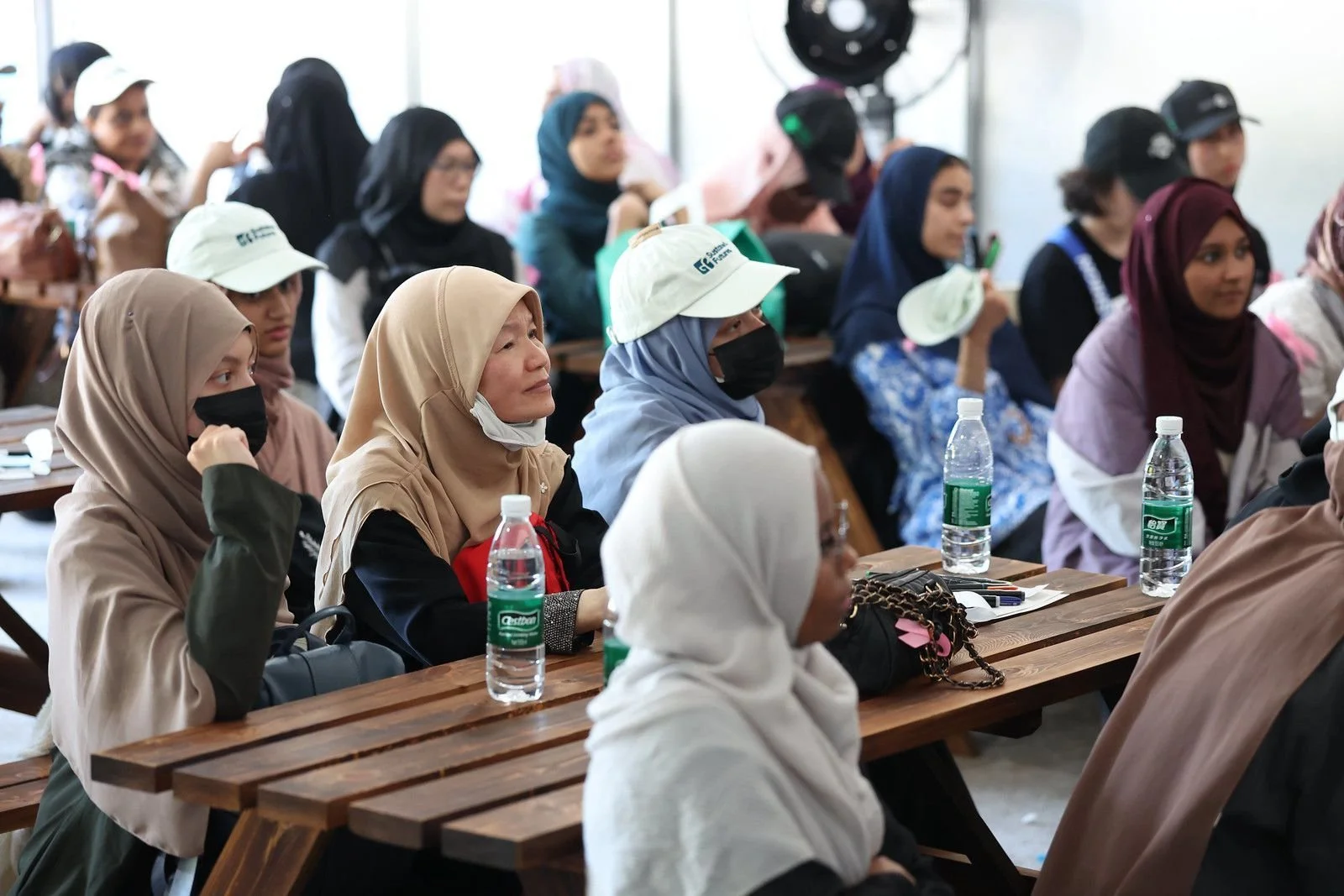
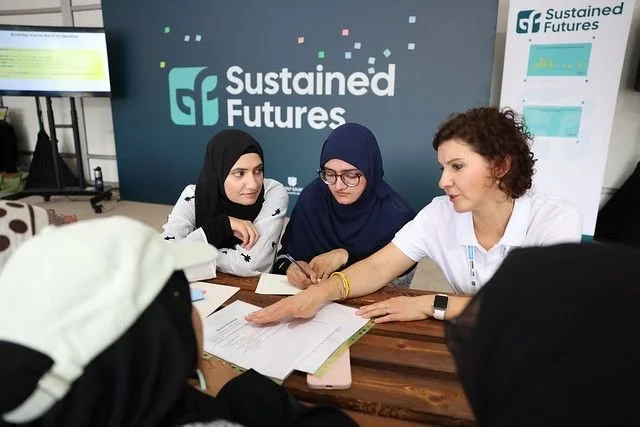
From left: Welcoming a community of Muslim women from Hong Kong to a day of discovery. Working in small breakout groups learning about renewable energy. Before and after on confidence levels from participants on green skills.
Doing business with purpose isn’t squeaky clean.
China itself is a great example of this conundrum. It’s no secret that – in the West, particularly – the country is positioned as a something of a global antagonist. Its political and environmental transgressions are routinely documented in our media, and I admit I have been shaped by these narratives. But I was also curious - and despite the obvious culture shocks (such as hole-in-the-ground toilets and the practice of spitting food on to tables) – I was surprised by how comfortable and safe I felt there. It was also clear that many of the country’s challenges are not so different to ours.
🚇 Despite a very shiny and clean tube system, they still have a traffic problem with traffic coming to a stand-still during rush-hour because, while EVs help solve air pollution, they don’t solve congestion.
🥵 The heat and humidity was intense - which was no problem until you spend the day outside of an air-conditioned building - making working in a temporary building like we were in the fan zone using only regular fans and water very draining. Cooling demand is expected to triple by 2025.
🚗 There are EVs everywhere, which meant the city felt more quiet than London - and there wasn’t any obvious signs of air pollutions during my time. There were a lot of buses, Santander-style bike rentals and many scooters.
⛳️ The sports paradox. Sport entertains and brings people together, but a tournament like this produces a huge amount of resource and waste, from the single use merch, signage and water bottles, to the energy and water - not to mention that much of its sponsorship comes from fossil fuels.
🗑️ Single-use and waste is the norm everywhere from food to plastic but yet Shenzhen also felt very clean, with lots of recycling points and initiatives like reusable transport tokens.
📱 Technology is staggeringly cheap and ubiquitous, supporting an ultra digital culture that doesn’t necessarily value the materials used to make gadgets and gizmos. Yet at the same time, Shenzhen has many green spaces - and even uses living trees as communication towers instead of manufactured poles.
So, is the country unfairly maligned? As a foreigner, who doesn’t even speak or read Mandarin, it’s really not my place say, but I’m certainly mindful there is a lot we could learn a lot from what they do do right. The fact is that the size, forward-looking strategy, and economic power of China means that it’s really the only chance we have, globally, to scale climate solutions. And it’s more than pulling its weight in this respect. As demonstrated by this recent Ember report, China is leading the way in accelerating the clean energy shift.
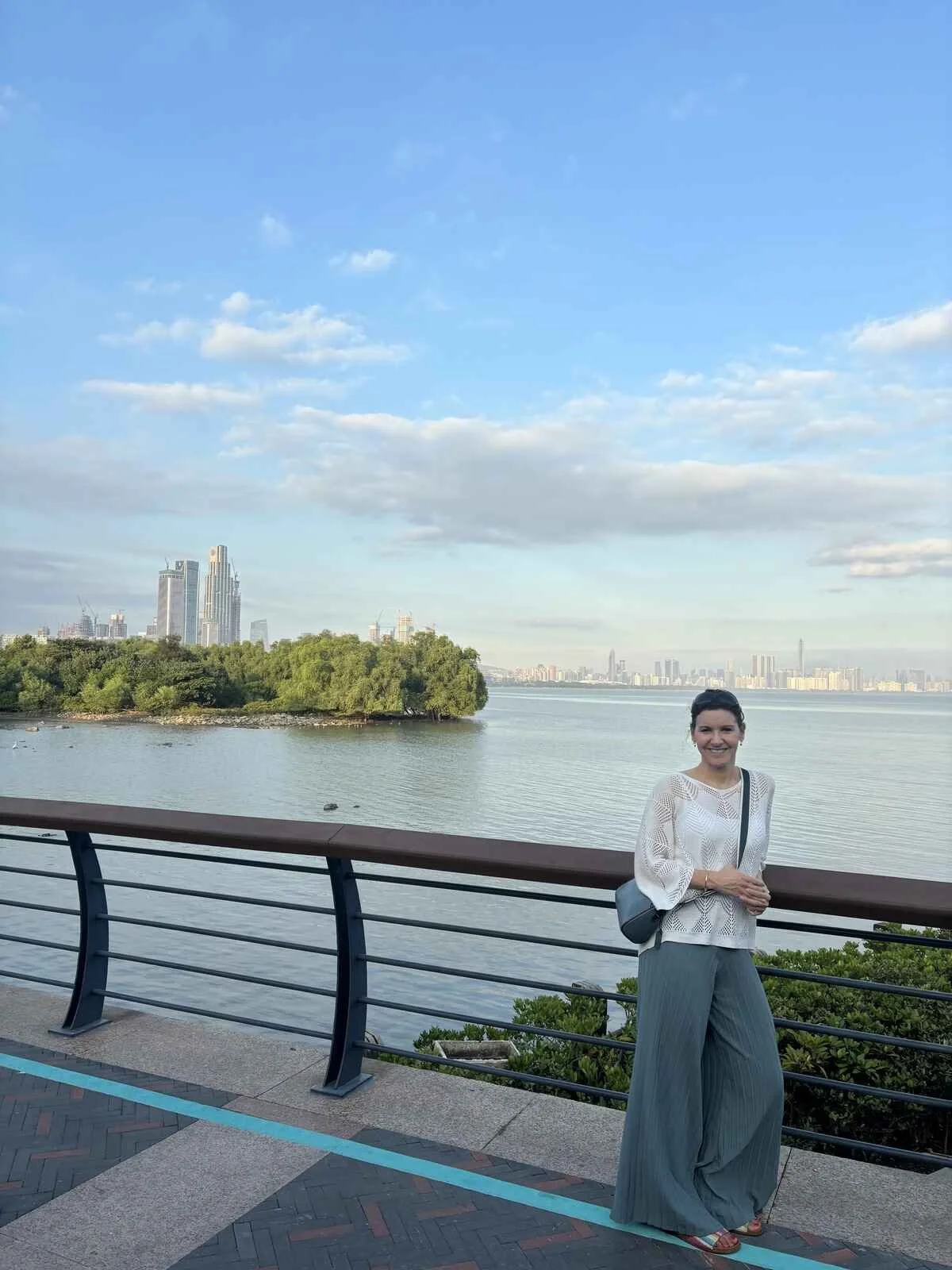
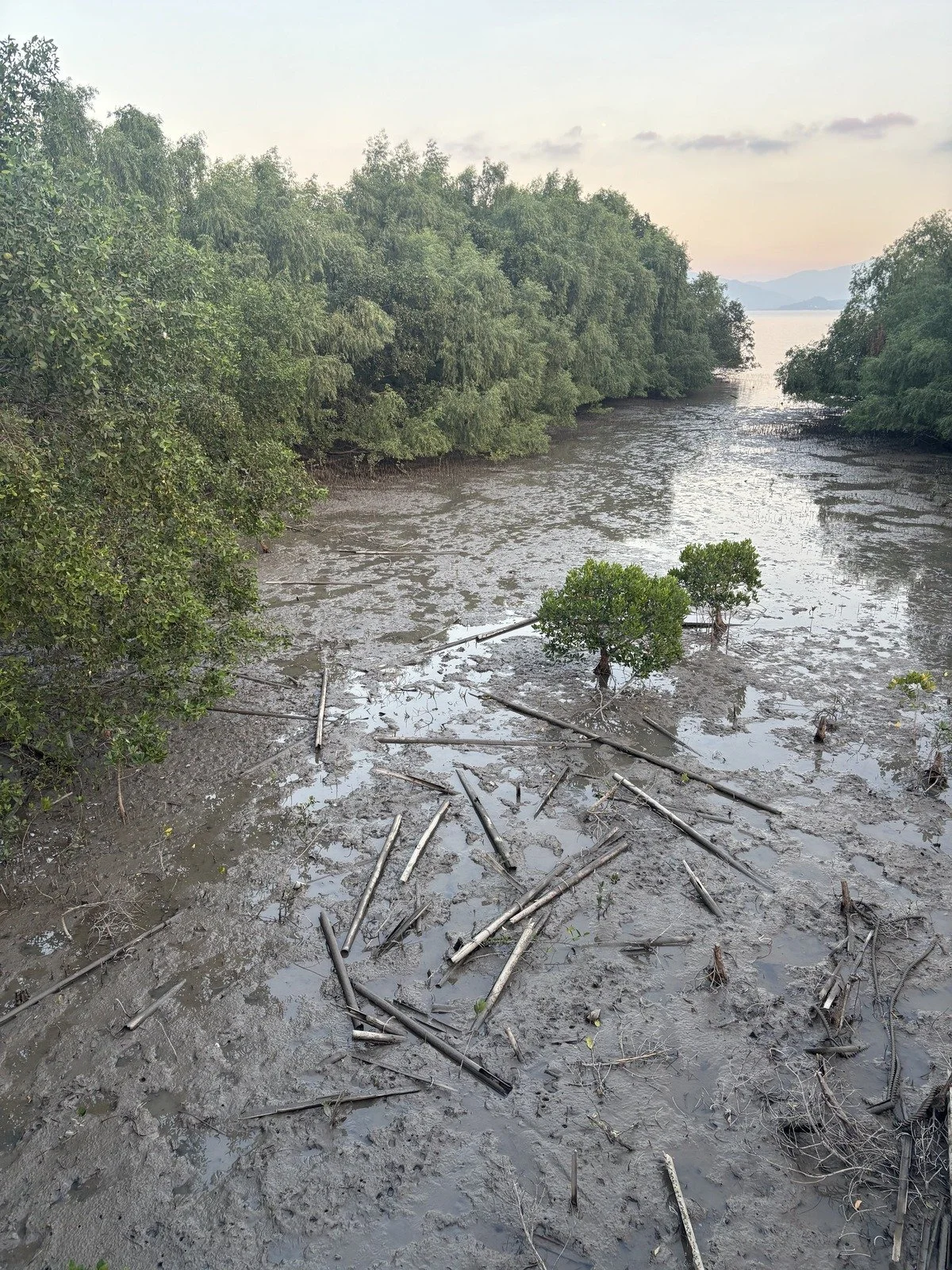

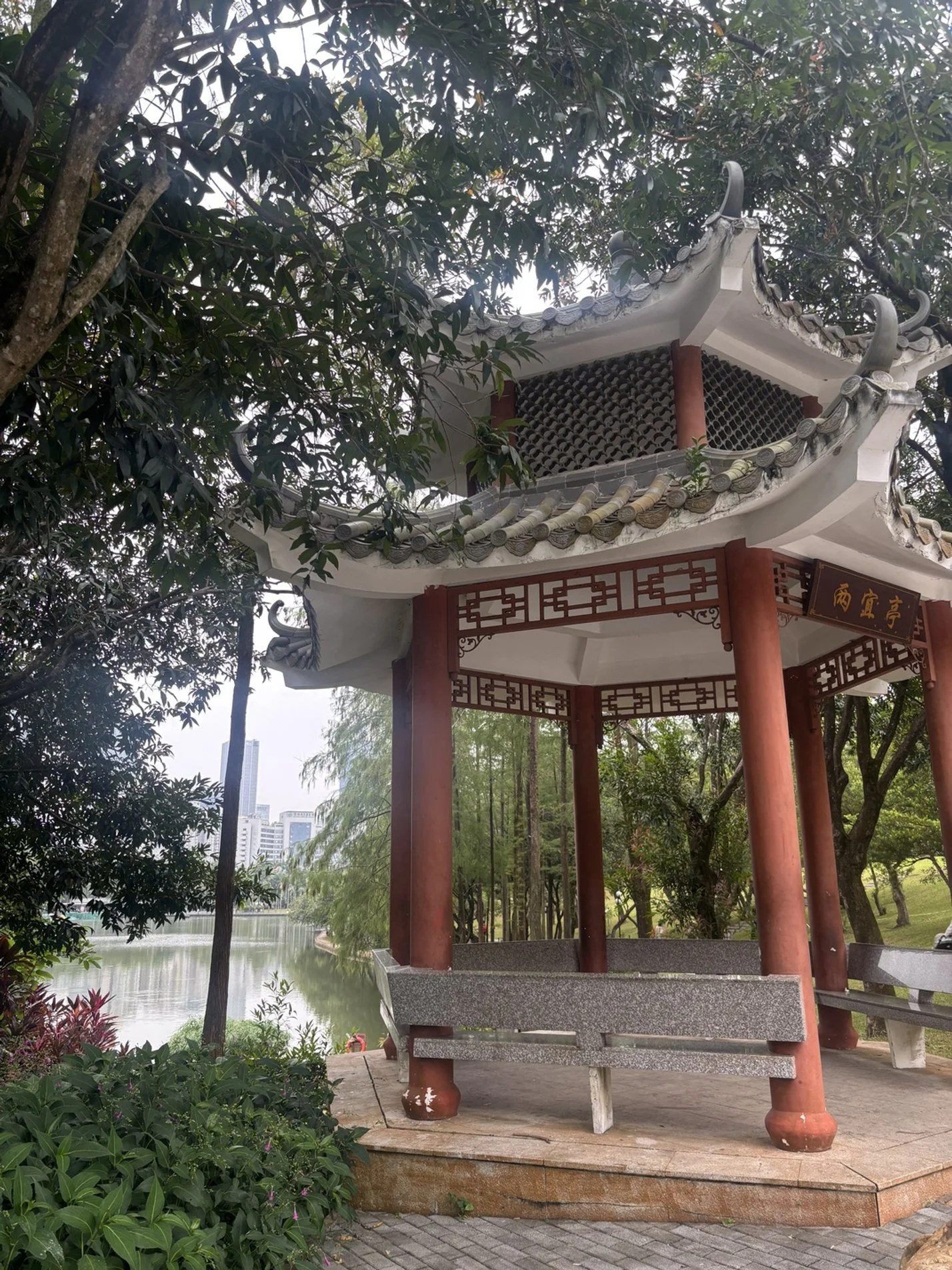
From left: Shenzhen Bay Park with the downtown skyline in the background. Seeing a mangrove which we don’t have in the UK. The Sustained Futures Team against a single-use poster of Ruoning Yin. A green space oasis in the heart of the city known as Lotus Park.
Some key stats:
➡️ China is now the world’s biggest emitter of greenhouse gases (although the top spot belongs to the US if you account for total historical emissions).
➡️ China is the world’s biggest supplier and installer of clean energy technology - which does mean we are increasingly dependent on them for scaling our clean energy.
➡️ China is home to the largest solar farm (Urumqi), the largest wind farm (Jiuquan Wind Power Base) and the largest hydro dam (Three Gorges Dam).
➡️ China’s wind and solar generation capacity more than doubled in the three years to 2024, from 635 GW to 1,408 GW. In early 2025, the energy capacity of wind and solar combined overtook that of coal.
➡️ 91% of newly-commissioned wind and solar facilities globally are cheaper than the cheapest available form of fossil fuel generation. With Chinese factories producing about 60% of the world’s wind turbines and 80% of solar panels, it is predominantly Chinese policy and investments that have driven the global price reductions.
➡️ China accounted for two-thirds of global fossil fuel demand increase during the decade from 2012 to 2022. Falling demand in China, combined with accelerating uptake of clean electro-technologies worldwide, looks set to create the conditions for global fossil fuel demand to decline.
➡️ China builds more solar panels every year than the rest of the world combined!
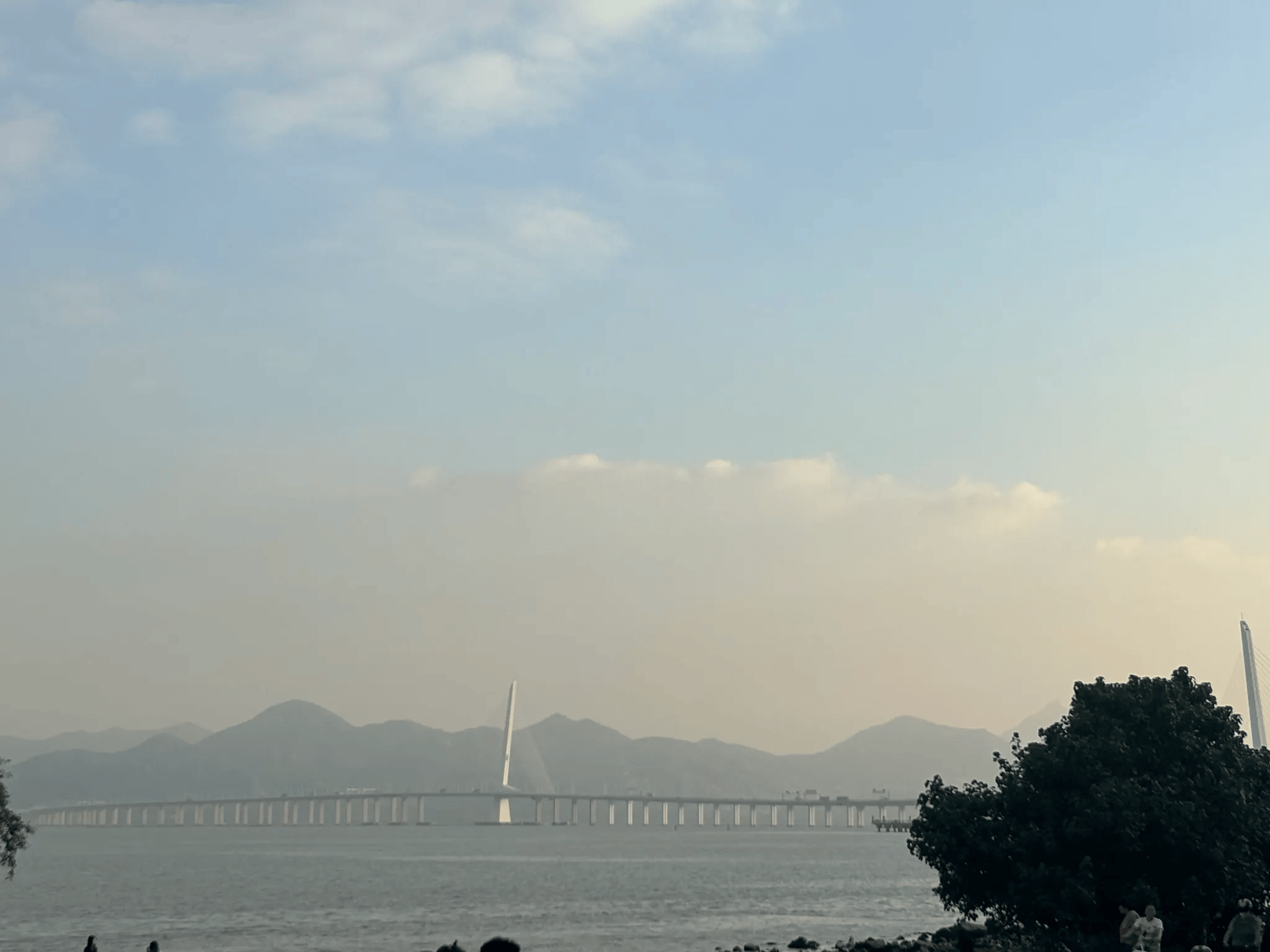
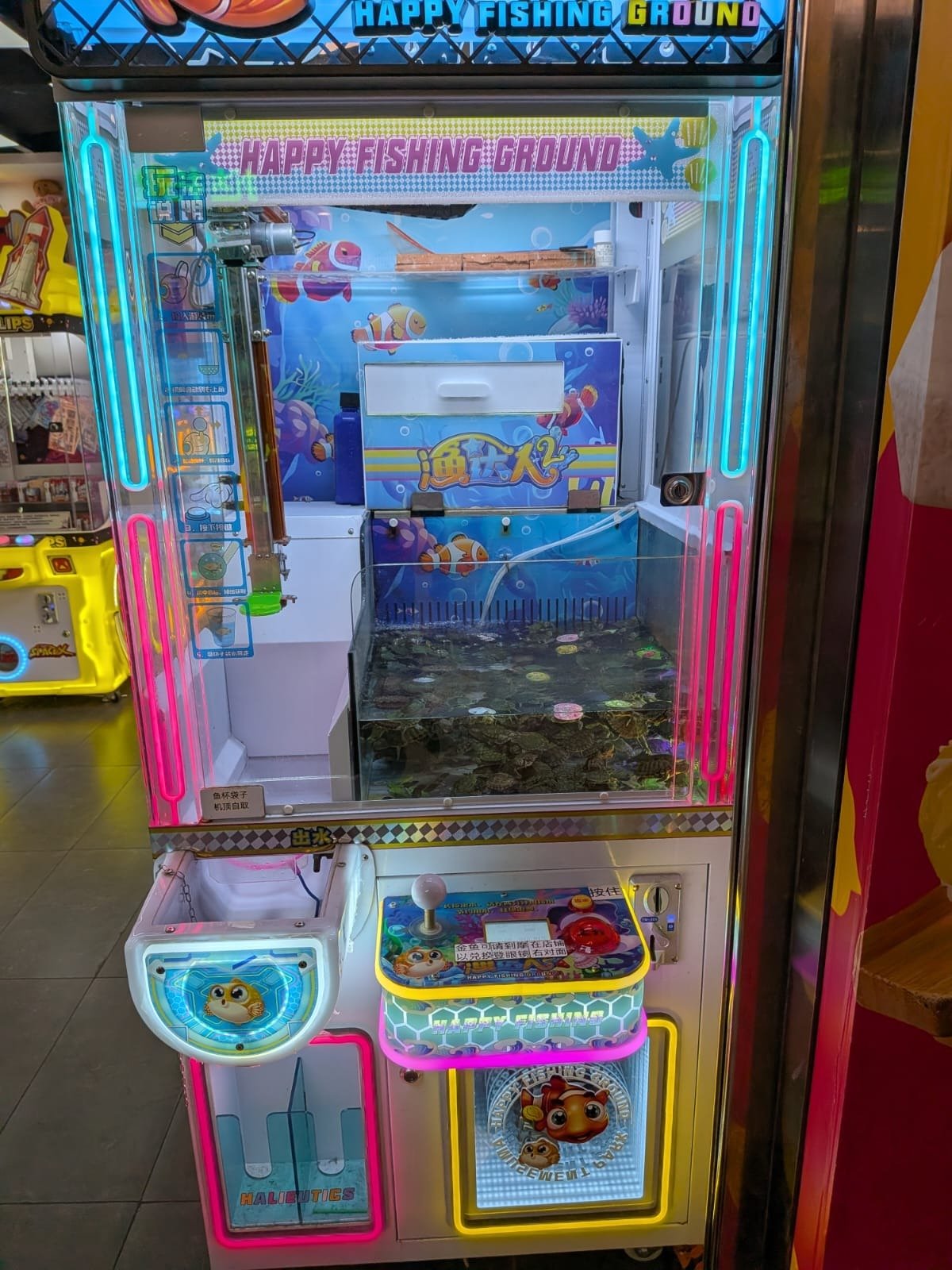
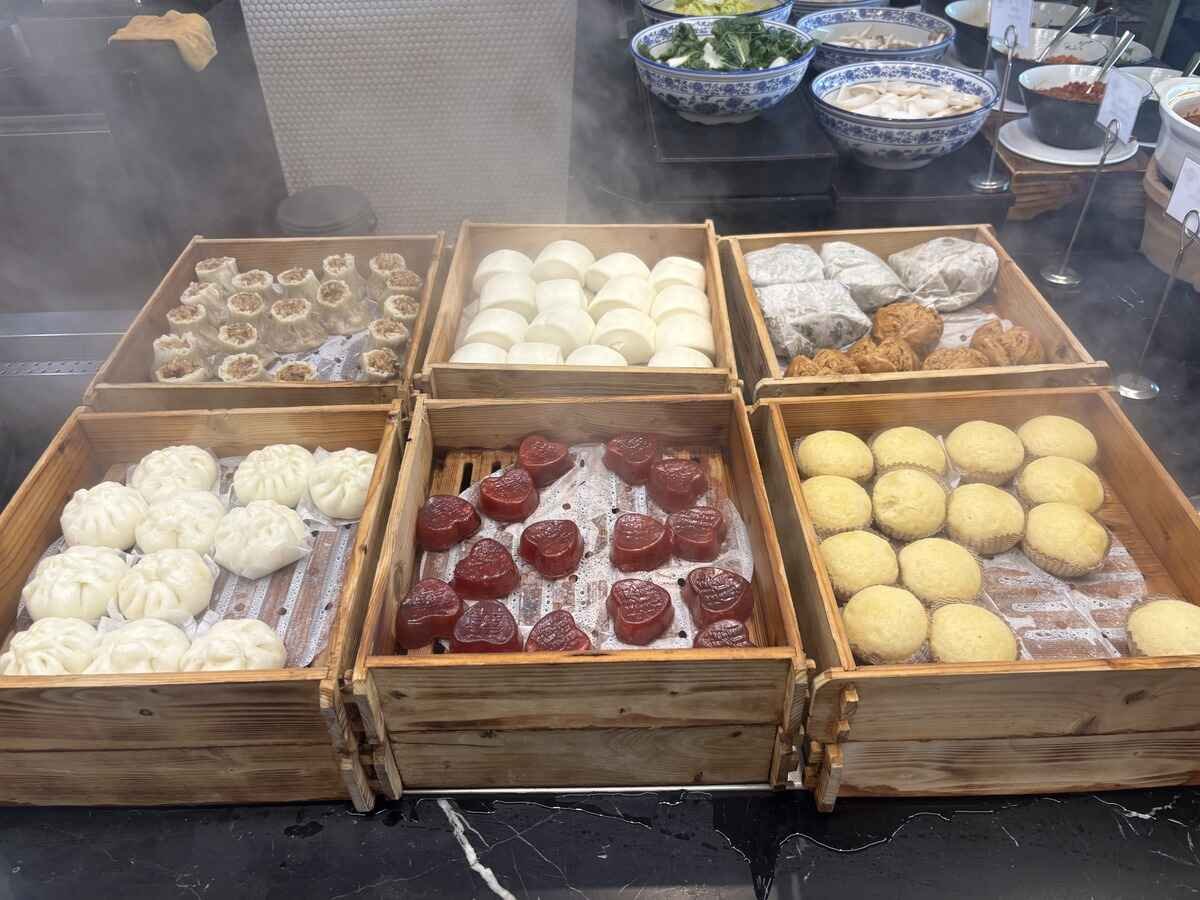
From left: The 5.5km Hong Kong–Shenzhen Western Corridor connects Shenzhen, Guangdong Province and Hong Kong. One culture shock was seeing tiny living turtles in an arcade machine. The food was delicious - even if admittedly I wasn’t as adventurous as I could have been. I chose not to sample any chicken feet or chicken blood - but I feel my western stomach might have not been prepared. While they are not going plant-based anytime soon they eat every part of the animal.
Two things can be true at once
Of course, the common argument here is that China has a responsibility to drive the clean transition because it’s the one making the biggest mess. And since the UK is so small comparatively, what difference can we make?
It’s a point of view I sympathise with, but the uncomfortable reality is that while we are quick to scoff at a ‘Made in China’ label, much of the country’s production (and associated climate impacts) is driven by our Western demand. No-one has the monopoly on climate change.
So this trip really consolidated the nature of my discombobulation. Two things can be true at the same time.
I flew to China ( ❌ ) to deliver green skills training (✅), China is a global polluter (❌) that is accelerating the clean transition (✅).
Reflecting on and unravelling these sticky conundrums is the key to forward momentum, and as we always say, progress is better than perfection. Going to China felt like a glimpse into how the world is changing - and it seems very well placed to meet what’s coming. So maybe instead of asking “What about China”, the question really should be “What about us?”.